
An Arkansas warrant search is a process that allows anyone to check if a person has an active warrant issued by local or state law enforcement. These searches rely on public records maintained by courts and police agencies, providing accurate and legally accessible information. People often use these searches to confirm legal standing, prevent unexpected arrests, or verify background information for personal, professional, or legal purposes. Arkansas warrants can include arrest warrants, bench warrants, or other court orders, each reflecting specific legal actions that require immediate attention.
Warrant records in Arkansas fall under the Freedom of Information Act (FOIA), which means most details are publicly available. Users can typically see the warrant holder’s name, type of warrant, issuing court, and current status. Searching helps individuals stay informed about potential legal obligations and supports law enforcement transparency. Additionally, it aids employers, attorneys, and community members in ensuring safety, confirming legal histories, and addressing unresolved court matters. By combining reliable law enforcement data with accessible public records, an Arkansas warrant search provides essential insight while remaining fully compliant with state regulations.
What Is a Warrant? Legal Context
A warrant is an official legal document authorizing law enforcement to take a specific action, such as an arrest or search. In Arkansas, warrants are used to ensure that police act within the law when investigating crimes or enforcing court orders.
Legal Definition of a Warrant
A warrant is a written order issued by a judge or magistrate granting authority to law enforcement. There are different types of warrants depending on the situation:
- An arrest warrant in Arkansas – authorizes police to take a person into custody for a suspected crime.
- Search warrant – permits law enforcement to search a property or location for evidence.
- Bench warrant – issued when a person fails to appear in court as required.
- Body attachment – a type of warrant for civil cases, compelling a person to appear in court.
Warrants are grounded in the U.S. Constitution, which protects citizens from unreasonable searches and seizures. They must clearly state the person or place involved and specify the reason for the action.
Public Records vs Confidential Warrants
Not all warrants are public. Some remain confidential to protect investigations or sensitive information.
- Public warrants – accessible through court records or official databases. Citizens can check for active arrest warrants or court orders.
- Confidential warrants – used in ongoing investigations where disclosure could jeopardize safety or the case. Law enforcement generally controls access to these records.
Understanding which warrants are public helps residents stay informed and comply with legal obligations.
How Warrants Are Issued
Warrants are issued after a legal review by a judge or magistrate. The process usually involves:
- Probable cause – law enforcement must show evidence or reason to believe a crime occurred.
- Application – an officer or prosecutor submits details to the court.
- Judicial approval – a judge reviews the information and signs the warrant if it meets legal standards.
This procedure ensures that law enforcement actions are backed by the court system. Search warrants require specificity about what is being seized, while arrest warrants target a particular individual.
Law Enforcement Role in Warrants
Police and other law enforcement officers are responsible for executing warrants. Their duties include:
- Confirming the warrant is active and valid.
- Serving the warrant safely and within legal limits.
- Documenting actions taken during execution.
- Protecting public and officer safety during arrests or searches.
Warrants allow law enforcement to act with legal authority while respecting individual rights. They play a key role in crime prevention and enforcement in Arkansas.
How to Perform an Arkansas Warrant Search
Performing a warrant search in Arkansas is possible through official state and county channels. Individuals can check online databases, visit local law enforcement offices, or consult authorized portals to confirm active warrants.
Search Through the Arkansas Crime Information Center
The Arkansas Crime Information Center (ACIC) is the state’s central repository for criminal justice records, including warrants. Law enforcement agencies, courts, and authorized users access ACIC to maintain accurate and up-to-date information.
Steps Online Warrant Lookup via ACIC:
- The ACIC Website – Start at the official https://arch.ark.org/search.
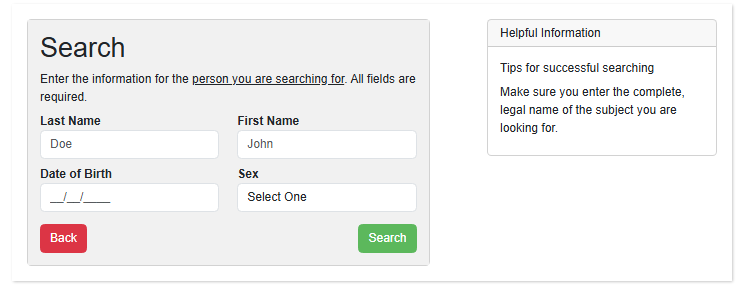
- Select Warrant Search – Navigate to the “Warrants” section.
- Enter Personal Details – Provide full legal name, date of birth, and other identifying information.
- Choose Search Type – Options include active warrants or statewide records.
- Submit Request – Confirm the information and submit.
- Review Results – A report will display any active warrants, including county, date, and charge.
Requirements and Fees:
- A valid government-issued ID is necessary for verification.
- ACIC may charge a small processing fee for detailed reports.
- Access is restricted to authorized users for some sensitive records.
Pros and Cons of ACIC Warrant Search:
| Pros | Cons |
|---|---|
| Official, state-maintained database | Limited public access for sensitive warrants |
| Updated daily with law enforcement input | Fees may apply |
| Comprehensive statewide coverage | Some results require authorization |
ACIC is reliable for online warrant lookup in Arkansas, offering a centralized resource for checking legal records safely. While screenshots of results are not publicly shared due to privacy rules, users can save PDF copies for personal reference.
County Sheriff’s Official Websites
County sheriff’s offices maintain local warrant records and provide online access to the public. Most counties offer searchable databases that allow users to find active warrants quickly.
Steps to Search Warrants Online:
- Go to the County Sheriff’s Website.
- Locate the Warrant or Records Section: Usually labeled “Active Warrants” or “Public Records.”
- Use the Search Form: Enter the individual’s name or case number.
- Review Results: Check for warrant status, charge, and issuing date.
Example: Sebastian County
- Visit https://www.naco.org/.

- Select “Warrant Search.”
- Enter full name and date of birth.
- View a list of active warrants with details like case type and arrest information.
County portals provide local warrant search capabilities, ensuring users have access to accurate data specific to their area. This method complements the statewide ACIC search and is particularly useful for targeted inquiries.
In‑Person Search at Law Enforcement
For those who prefer or require direct verification, https://www.arcounties.org/ visiting law enforcement offices is an option. Individuals can request warrant information at police stations or sheriff’s offices in person.

How to Perform a Physical Warrant Search:
- Visit the Police Department or DMV: Certain local offices maintain criminal record access for public inspection.
- Bring Required Documents: Government-issued ID and personal information are typically needed.
- Request Official Records: Ask for active warrant verification. Staff can provide details about charges, issuing authority, and procedures.
This method is suitable for physical warrant searches and law enforcement records requests, especially if online resources are limited or inaccessible. It guarantees accuracy and provides documentation for legal or personal use.
Types of Warrants in Arkansas
Warrants in Arkansas are official legal documents that allow law enforcement or courts to take specific actions, such as making arrests, conducting searches, or enforcing civil obligations. They are issued under defined legal authority to ensure compliance with state law.
Arrest Warrants
Arrest warrants are issued when law enforcement has probable cause to believe someone committed a crime, authorizing officers to detain the individual and bring them before the court. In Arkansas, a judge reviews evidence presented by police or prosecutors, and if satisfied, signs the warrant, which includes the person’s name, charges, issuing authority, and any bail details. Arrest warrants remain active until the person is apprehended or the charges are resolved, and they are often executed at a home, workplace, or other location while following constitutional protections. These warrants help maintain public safety and ensure that individuals accused of crimes appear in court on time.
Bench Warrants
A bench warrant is issued by a judge when a person fails to comply with a court order. Common triggers include missing a scheduled court appearance or violating probation terms. In Arkansas, if someone does not appear for a hearing or fails to respond to legal notices, the court can issue a bench warrant in Arkansas. This gives law enforcement the authority to detain the individual and bring them to court. Bench warrants are primarily civil or procedural in nature but can have serious consequences.
For example:
- Failure to appear in court for traffic or criminal matters
- Violation of probation conditions
- Ignoring subpoenas or court summonses
These warrants help courts maintain authority and ensure cases proceed without unnecessary delays. Individuals arrested under a bench warrant may have to appear immediately in court and could face fines or additional penalties.
Search Warrants
Search warrants authorize police to enter a property to look for evidence related to a crime. These warrants require a judge’s approval before execution. To issue a search warrant, law enforcement must provide detailed information to demonstrate probable cause.
This includes:
- Location to be searched
- Specific items or evidence sought
- Reason for the search
Judges carefully review this information to ensure the search is legally justified. Once approved, officers may execute the warrant during appropriate hours, often accompanied by documentation of the search process.
Body Attachment Warrants
Body attachment warrants are used in civil cases to enforce court orders, such as unpaid fines, child support, or court fees. In Arkansas, a body attachment warrant allows law enforcement to detain a person who ignores civil obligations, bringing them before the court until the matter is resolved. Unlike criminal warrants, these focus on compliance rather than punishment, ensuring that court decisions are respected and legal responsibilities are met. Continued noncompliance can lead to further legal action, making these warrants an essential civil enforcement tool.
What Information a Warrant Record Contains
A warrant record in Arkansas provides key details about an individual’s legal status and pending actions. These records list the person involved, the offense, and the issuing authority. Warrant records are an official resource that law enforcement and courts maintain to track active warrants. They are also accessible through state or county warrant databases, which provide detailed warrant information for public reference. A typical record contains multiple elements that help identify the case, the charges, and procedural steps.
Details in a Warrant Record
Warrant records generally include the following information:
- Warrant Types: Identifies whether the warrant is for arrest, bench, search, or other legal actions.
- Subject Name: The full legal name of the individual the warrant is issued against.
- Charges: Lists the specific criminal or civil violations, including misdemeanors or felonies.
- Issuance Details: Date and time the warrant was issued, along with the authority responsible.
- County / Court: Shows the county and the court that authorized the warrant.
- Additional Information: May include case numbers, bond amounts, bail conditions, or special instructions.
| Field | Description |
|---|---|
| Warrant Type | Arrest, bench, search, or other legal warrant type |
| Subject Name | Full name of the individual involved |
| Charges | Specific offenses or violations |
| Issuance Details | Date issued and issuing officer or judge |
| County / Court | Jurisdiction handling the case |
| Case Number / Bail | Reference number and bail conditions if applicable |
How Warrant Details Are Used
Law enforcement relies on these records to locate and process individuals with pending legal actions. Courts reference warrant details for scheduling hearings, ensuring due process, and maintaining accurate case records. Public users can check warrant databases to verify an individual’s legal status or confirm that legal procedures have been properly followed.
Warrant records serve as a reliable source for verifying legal obligations. They combine identification, charges, and jurisdictional information into a single record, making it easier to manage and track cases. By checking the key fields listed above, users can quickly understand the scope of any active warrant.
Comparison Table — Warrant Search Methods
Searching for warrants in Arkansas can be done through multiple methods, each with its own advantages and drawbacks. Choosing the right approach depends on whether a user needs statewide coverage, local details, speed, or official documentation.
When comparing online vs offline warrant search options, several factors like cost, reliability, and scope come into play. The table below summarizes the main methods and highlights their pros and cons to help users evaluate their choices efficiently.
| Method | Pros | Cons | Cost |
|---|---|---|---|
| ACIC Online | Covers the entire state; easy to search | Limited official detail; fee required | $22 |
| County Sheriff Search | Provides detailed local information | Can be slow; requires visiting the office | Maybe free |
| In‑person | Official certified copies; verified records | Convenient, fast access | Free |
| Third Party Services | Convenient; fast access | May be outdated or inaccurate |
Arkansas Warrant Legal FAQs
Arkansas residents may sometimes need to check if they have an active warrant or understand different types of warrants. This guide answers common questions about warrants, including how to find them, what they mean, and how to handle them safely.
How do I find out if I have a warrant in Arkansas?
A person can check for warrants in Arkansas by contacting local law enforcement, the court, or using online public records. Warrants are issued for criminal charges or failure to appear in court, and each county maintains its own records. The Arkansas State Police and many sheriff’s offices offer online databases to search active warrants. Calling the court clerk can also provide confirmation. Checking official sources ensures accuracy and prevents misinformation. Individuals should act promptly if a warrant exists to avoid potential legal issues.
How do I find local warrants?
Local warrants are maintained by county sheriff’s offices or city police departments. Many counties, such as Pulaski County, provide online warrant lists where a person can search by name. City police departments may offer information by phone or in person. Attorneys or legal aid services can also help obtain warrant details. Staying informed about local warrants helps prevent unexpected arrests. Regular checks can assist residents in resolving outstanding issues with minimal complications.
Do warrants expire in Arkansas?
Warrants in Arkansas do not automatically expire and generally remain active until resolved by the court. Arrest warrants and bench warrants stay valid until executed, dismissed, or cleared. Minor offenses may allow alternative resolutions, but most warrants remain open indefinitely. Ignoring an active warrant can result in additional penalties or criminal charges. Addressing the warrant quickly is the safest way to avoid complications. Courts enforce these orders to ensure compliance with the legal system.
What is a bench warrant?
A bench warrant is issued by a judge when someone fails to appear in court or violates a court order. It allows law enforcement to arrest the individual and bring them to court. Bench warrants are tied specifically to court proceedings rather than ongoing criminal investigations. Once issued, authorities can enforce it at any time. Addressing a bench warrant through a court appearance or legal representation can reduce penalties and prevent further legal consequences.
What is a warrant from the auditor of Arkansas?
A warrant from the Arkansas Auditor is a financial or administrative order, not a criminal warrant. It authorizes payment from state funds for government expenses, vendors, or official obligations. These warrants are part of the state’s accounting and financial accountability system. While it shares the term “warrant,” it does not involve law enforcement or arrests. Businesses or individuals receiving auditor-issued warrants are expected to process them like checks or payments.