
Arkansas public records include documents created and stored by state and local government offices. A standard Arkansas public record search helps residents find court files, property data, licenses, and other government records stored in public databases. These records form part of the official record system used by courts, county offices, and state agencies across Arkansas. Many records remain open for public review under state transparency laws. Public databases organize these files so residents can locate records linked to names, addresses, or case numbers.
State transparency laws allow the public to review many official state records created by agencies and county offices. These records include court filings, property deeds, permits, and agency reports that remain part of the public archive. The court record system operates under the Arkansas Judiciary, which maintains online systems that display case information from courts across the state. Many counties maintain digital portals that store land records, tax documents, and meeting filings. Local clerk offices, recorders, and state departments maintain structured public databases that organize government records by category and date. Residents often run an Arkansas public record search to check legal filings, confirm property ownership, verify licensing status, or review official state records connected to a person, address, or business name.
What Are Arkansas Public Records?
Public records in Arkansas refer to official documents created or kept by government offices that the public can view. State law allows residents to review many Arkansas government records through agencies and approved record systems. Public records exist to promote transparency and accountability in government operations. These records form part of an official archive maintained by state, county, and local offices. Many documents are available through an Arkansas public database, physical archives, or agency record requests.
How Government Agencies Maintain Public Records
Various government agencies collect and maintain public documents as part of their daily administrative work. These offices store records in digital databases, courthouse files, and archived documents.
Common record custodians in Arkansas include:
| Government Office | Records Maintained |
|---|---|
| County Clerk Offices | marriage records, business filings, meeting minutes |
| Circuit Courts | civil cases, criminal filings, court judgments |
| County Assessors | property ownership, tax assessments |
| Arkansas Department of Health | birth certificates, death certificates |
| Law Enforcement Agencies | arrest reports, incident reports |
Each agency manages its own records under state public records laws. Many offices now publish documents through an Arkansas public database, which helps the public search records online. Older files may remain in courthouse archives or physical record rooms.
How to Search Arkansas Public Records Online
There are official online portals and government database tools available for an Arkansas public record search. Users can find court cases, state documents, and public filings through dedicated search tools on government sites. This section shows step‑by‑step methods to perform an Arkansas public records search online, including direct URLs and clear instructions on how to use each portal to find free public records in Arkansas reliably.
Search Through Court Databases
To check court cases and docket details, use the official system maintained by the Arkansas Judiciary.
Steps Court Search Method
- Go to the Arkansas Judiciary Online Services page:
https://www.arcourts.gov/online-services
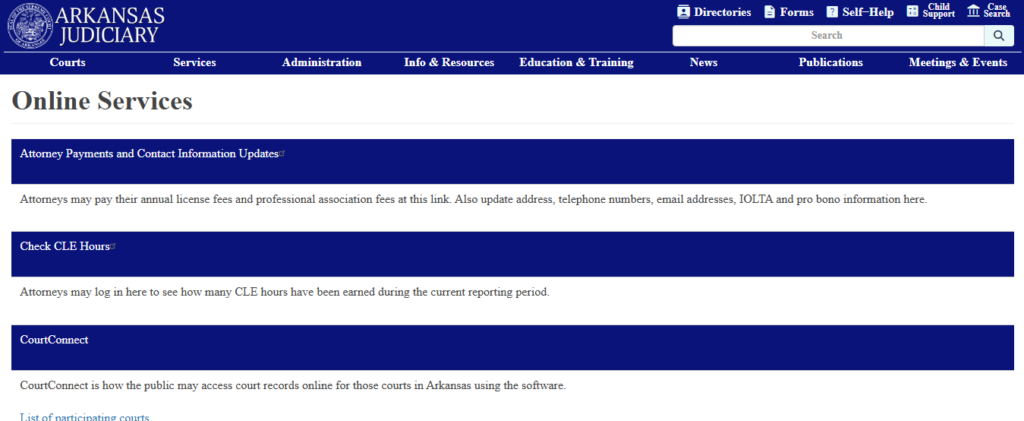
- Select “Case Search” or “Court Records Lookup.”
- Enter the person’s name, case number, or date range.
- Review the court case search results, which include case type, status, and next hearing dates.
Direct Search Tool
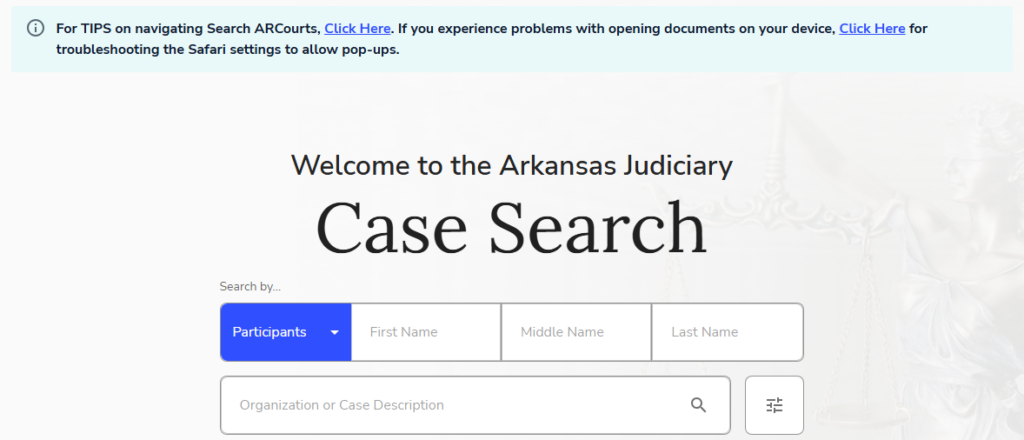
- Arkansas Public Court Case Search: https://caseinfo.arcourts.gov/opad
– Click “Search by Party Name” or “Advanced Search.”
– Use filters to narrow by county, year, or case type.
Searching Tips
- For broader results, leave more fields blank.
- Matching spelling matters; try variations if no results appear.
Search Through Government Agencies
Different state departments hold specific categories of public information. Many allow you to search free public records in Arkansas online or request documents.
Common Agency Search Methods
- Vital Records (Birth/Death/Marriage):
Visit the Arkansas Department of Health Vital Records page:
https://healthy.arkansas.gov/
– Choose search options (e.g., birth certificate search form).
– Submit required details and follow instructions for certified copies. - State Service Directory (General Records):
https://portal.arkansas.gov/
– Use the search box for records like unclaimed property or business filings.
– Many searches return instant digital results.
Search Methods to Try
- Use exact names and dates for the best matches.
- Some agencies require user accounts or forms before showing results.
Arkansas Freedom of Information
The Arkansas Freedom of Information Act ensures citizens can request and receive government records. It provides a legal framework for transparency and public information access under the Arkansas public records law.
The Freedom of Information Act (FOIA) in Arkansas is part of the state’s commitment to open governance. Often called the open records law, it allows the public to obtain information from government agencies, promoting accountability. Requests can cover documents, emails, reports, and meeting minutes held by state offices. Arkansas law emphasizes a presumption of openness, meaning records are generally available unless specifically exempted by law. This transparency law strengthens citizen participation and supports informed decision-making.
Purpose of FOIA
The main goal of the FOIA is to provide public access rights to government-held information. Arkansas’s open records law empowers citizens, journalists, and researchers to review documents that influence public policy. By offering access to official records, FOIA encourages government accountability and reduces secrecy. This transparency allows taxpayers to understand how public funds are used and how decisions are made at different levels.
Purposes include:
- Ensuring officials follow ethical and legal standards
- Allowing citizens to participate in local and state governance
- Supporting informed reporting by media and advocacy groups
The law also helps prevent misuse of public resources by making information about actions and expenditures readily obtainable.
Principles of FOIA
Arkansas FOIA is built on the presumption of openness, meaning government records are generally accessible unless a law specifically limits disclosure. This principle ensures government transparency while protecting sensitive information.
Principles include:
- Public access: Documents, emails, and records are open to requesters
- Minimal exemptions: Certain records, like personal data or ongoing investigations, may be protected
- Timely response: Agencies must respond to requests promptly, often within a set number of business days
The FOIA promotes a culture where citizens can verify how decisions are made, supporting trust in public institutions. By codifying transparency, Arkansas strengthens confidence in its public information access procedures.
Agencies Covered Under FOIA
The FOIA applies to most government agencies, state offices, and public departments in Arkansas.
This includes:
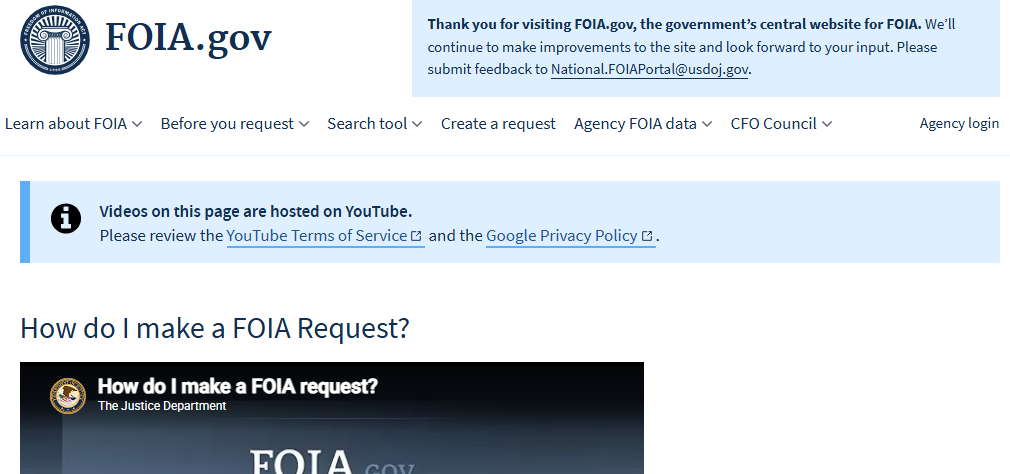
- https://www.foia.gov/how-to.html
- Executive branch agencies and departments
- Legislative offices and committees
- Local government bodies such as cities and counties
- Public boards and commissions
Some agencies may have limited exemptions for security, legal, or privacy reasons. However, the law broadly ensures that the majority of records under the Arkansas public records law remain open for request. Citizens can submit formal requests directly to each office, often via email, online forms, or in person.
Who Can Access Arkansas Public Records?
In Arkansas, public records are generally available to everyone, but some rules apply. Residents, non-residents, and organizations can request records, though certain restrictions protect privacy and sensitive information. Arkansas law grants citizens the right to inspect and obtain most public records. This includes government documents, court files, property records, and official reports. Anyone—residents or non-residents—can submit a request, making public records widely accessible. However, eligibility is limited for documents containing personal information, law enforcement records, or ongoing investigations.
Resident Access and Request Eligibility
Residents of Arkansas have the same rights as non-residents when requesting public records. To make a request, individuals or organizations typically need to:
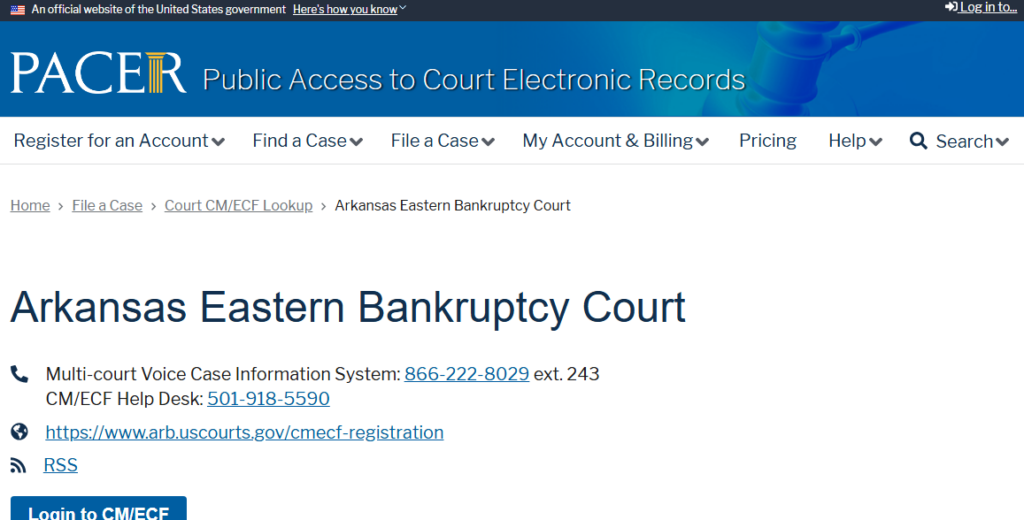
- https://pacer.uscourts.gov/file-case/court-cmecf-lookup/court/AREBK
- Submit a written or online request to the relevant agency.
- Provide a valid reason or identify the specific records.
- Pay nominal fees for copying or processing, if applicable.
Public agencies are required to respond within a reasonable time, usually a few days, for standard requests. Records like court dockets or meeting minutes are often freely available, while certain files may require formal approval.
Restrictions and Sensitive Records
Not all records are fully open to the public. Restrictions include:
- Personal data: Social Security numbers, medical information, or minors’ records.
- Law enforcement files: Ongoing investigations or witness protection details.
- Internal communications: Some internal government discussions may be exempt.
These rules protect privacy while maintaining public access eligibility. Understanding which records are restricted helps requesters avoid delays and ensures compliance with state law.
Types of Arkansas Public Records
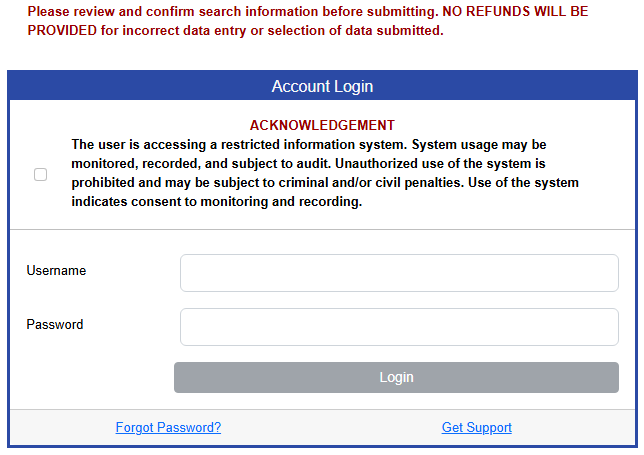
Arkansas offers a variety of public records covering criminal, https://cbc.ark.org/ court, property, vital, and inmate information, maintained by state and local agencies for legal, personal, and professional use. These records include details about arrests, case filings, land ownership, life events, and offender status.
Criminal Records
Arkansas criminal records provide information on arrests, convictions, and court charges. They typically include the person’s name, arrest date, charges, case outcome, and convictions. Many county sheriff offices and the Arkansas State Police allow online access to arrest logs and warrants, making it easier for background checks, employment screening, and legal verification.
Court Records
Arkansas court records document legal proceedings and case filings at various levels, including circuit, district, and municipal courts. These records are public unless sealed by a judge for privacy reasons.
Arkansas court records include civil, criminal, family, and probate cases. They provide information such as case numbers, hearing dates, judgments, and motions filed. Court records help track the progress of legal matters and verify claims in civil disputes. Many counties offer online access, while some require in-person requests at the courthouse.
Property Records
Property records in Arkansas provide official details about land and real estate ownership. These records are essential for verifying ownership, assessing property taxes, and conducting real estate transactions. Arkansas property records often include the property address, owner name, legal description, sales history, and tax assessments. County assessor and recorder offices maintain these records. Real estate professionals, investors, and homeowners frequently use them to confirm land boundaries, check zoning regulations, and understand property history.
Vital Records
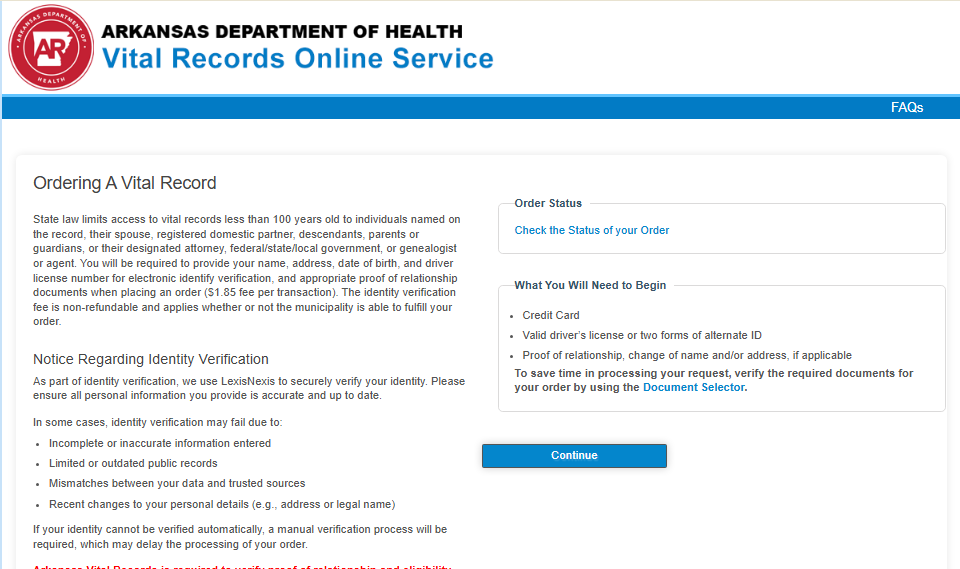
Vital records document life events such as births, deaths, marriages, and divorces. The Arkansas Department of Health manages these records and ensures they are accurate and securely stored.
- https://vitalrecords.egov.com/CDC.VitalRecordsMVC.Web/Wizard/AR/Municipality/SelectMunicipality
- Birth records: Include the newborn’s name, date and place of birth, and parent information.
- Death records: Contain details of the deceased, date of death, cause, and burial information.
- Marriage records: Record the couple’s names, marriage date, and location.
- Divorce records: Include names, date of divorce, and court details.
Vital records serve legal, genealogical, and personal purposes. Requests typically require proof of identity, and certified copies may be needed for official matters.
What Information Is Included in Public Records?
Public records contain a variety of details about individuals, businesses, and legal matters maintained by government agencies. They provide official documentation such as court filings, legal judgments, and government records.
These records often include basic identifying information like names and addresses, which help verify identities or locate parties involved in legal and civic matters. Case numbers are another common field, giving a unique reference to each legal proceeding. Court-related documents, including court filings and judgments, detail actions taken by the courts, outcomes of cases, and any penalties or resolutions.
Data Fields in Public Records
- Names: Full legal names of individuals or business entities involved.
- Addresses: Residential or business addresses tied to the person or entity.
- Case Numbers: Unique identifiers assigned to each legal case for tracking purposes.
- Court Filings: Official documents submitted to courts, including complaints, motions, or responses.
- Judgments: Final decisions or orders issued by courts, including financial awards, penalties, or dismissals.
Public records often cover government documentation, which may include property ownership, business licenses, and professional licenses. They also contain legal filings such as liens, divorces, or criminal charges. These records provide transparency and accountability, showing interactions between individuals or organizations and public institutions.
Cost of Arkansas Public Records
The cost of obtaining Arkansas public records varies depending on the type of document and the agency providing it. Fees typically cover administrative costs, copy fees, and search fees. Arkansas public records fees can differ between vital records, court documents, and other official files. For example, a birth certificate usually costs around $15 for the first copy and $5–$10 for additional copies. Death certificates are slightly higher, averaging $17–$20 per copy. Marriage certificates commonly range from $10 to $15 per certified copy. These fees include both administrative handling and the physical or electronic copies provided.
Some agencies may charge search fees if records are difficult to locate or require extensive time to retrieve. This can range from $5 to $25, depending on the complexity of the request. In addition, certain counties may add small processing fees to cover mailing or document preparation.
Here’s a quick fee reference table for Arkansas vital records:
| Record Type | Base Copy Fee | Additional Fees | Notes |
|---|---|---|---|
| Birth Certificate | $15 | $5–$10 per extra copy | Includes administrative costs |
| Death Certificate | $17–$20 | $5 per extra copy | Some counties may charge search fees |
| Marriage Certificate | $10–$15 | $5–$10 per extra copy | Fees may vary by county |
Many agencies also allow online requests, which may include small convenience fees. Planning for these costs ensures users can efficiently request the records they need without surprises.
How to Request Public Records in Arkansas
Requesting Arkansas public records is a straightforward process that starts with identifying the right agency and submitting a written request. Once the request is submitted and any applicable fees are paid, records are typically provided within the agency’s response timeframe.
Identify the Correct Agency
The first step in a public records request in Arkansas is determining which agency holds the information. Different agencies maintain different types of records, such as:
- State agencies – for court, criminal, or official state reports
- County offices – for property, tax, or local government documents
- Municipal offices – for city permits, zoning, and public safety records
Knowing the correct agency helps ensure a faster response and reduces delays caused by misdirected requests.
Submit Your Request
Once the appropriate office is identified, a public records request for Arkansas must be submitted. Requests can be made using:
- Written request – a formal letter describing the records needed
- Agency request form – many offices provide standardized forms on their websites
Requests should clearly include the requester’s contact information, a description of the records, and the preferred format for receiving them (digital or physical).
Pay Any Required Fees
Arkansas law allows agencies to charge a reasonable fee for copying or processing public records. Fees vary depending on:
- Number of pages or volume of records
- Format requested (digital copies may cost less than paper)
- Staff time required for record preparation
Agencies usually notify requesters of fees in advance, and payment is often required before records are released.
Receive Records
After the request and fees are processed, the agency will provide the records. Response times can vary based on the complexity of the request, but most agencies follow state-mandated timelines for disclosure. Records may be sent electronically, mailed, or available for in-person pick-up, depending on the agency’s procedures.
Common Challenges When Searching Public Records
Searching public records can be straightforward in some cases, but many users face delays and limited access. Issues like sealed files, record restrictions, and redacted data often make it harder to find complete information.
H3: Sealed and Restricted Records
One of the most common public records search issues is dealing with sealed or restricted records. Courts, law enforcement agencies, or government offices may limit access to certain files to protect privacy or security. Criminal records, adoption files, or sensitive legal documents might not be available to the general public.
Redacted Data
Another challenge is redacted data. Some records may be partially available, with key details, such as Social Security numbers, addresses, or financial information, hidden. This can make it difficult to get a full picture, especially for background checks or historical research.
Inconsistent Record Formats
Different agencies store information in varying formats, which can be confusing. Users may need to cross-check files from multiple sources to ensure accuracy.
Outdated or Incomplete Records
Some public records are not updated regularly, resulting in missing or outdated information. This can delay research or lead to incorrect conclusions.
(FAQs) About Arkansas Public Records Search
Many residents and researchers use Arkansas public records for legal, personal, or professional purposes. The following FAQs provide clear answers on court, police, vital, and inmate records to help users access official information quickly and reliably.
Are Arkansas court records public?
Yes, most Arkansas court records are open to the public and can be requested through county or state courts. These records include civil, criminal, probate, and family court documents, though some cases, like juvenile or adoption, remain confidential. Many counties provide online access via the Arkansas public record search portals, and visitors can also view records in person. Using official public databases ensures the information is accurate and up to date. Court filings, judgments, and case summaries are all typically accessible.
How do I search Arkansas public records online?
Arkansas public records can be searched online through county clerk websites or the Arkansas Judiciary public database. Searches can be done using names, case numbers, or document types, and some portals may require a free account. For precise results, it helps to filter by county, case type, or date. Users can also download PDF copies when available. Using the official Arkansas public record search ensures reliable and lawful access to information.
Are police reports public in Arkansas?
Many police reports are considered public, though access depends on the type of incident. Routine reports such as traffic accidents or arrest summaries are often available, while ongoing investigations or sensitive cases may be restricted. Requests are usually submitted to the city or county police department. Reports may include incident details, names, and outcomes, with personal identifiers sometimes redacted. Police departments often provide forms or online submission options for these requests.
How can I request vital records in Arkansas?
Vital records, including birth, death, marriage, and divorce certificates, are maintained by the Arkansas Department of Health. Requests require a completed application, valid identification, and payment of fees. They can be submitted by mail, in person, or through approved online services. These records are used for legal, genealogical, and personal purposes. Using official channels ensures the documents are authentic and recognized by government agencies.
Where can I access inmate records?
Inmate records in Arkansas are available through the Arkansas Department of Corrections public database. These records include current inmates, parolees, and recent releases. Searches can be done using the inmate’s full name or ADC number. Information provided includes housing location, sentence length, and release dates. The database helps families, legal professionals, and the public access clear and official information efficiently.