
Arkansas property records contain official data related to land ownership, deeds, and tax filings across counties in the state. These records help verify ownership details, track property transfers, and review real estate records in Arkansas for legal, financial, or informational purposes.
The Arkansas property records system is managed at the county level through assessor and recorder offices. It supports a structured property ownership search by linking parcels, deed records, and tax information under a single property profile. Users can review land registry data to confirm current owners, past transfers, and assessed property values. Real estate records in Arkansas also include mortgage filings, legal descriptions, and tax status updates, which support accurate verification of land details.
What Are Arkansas Property Records?
Arkansas property records are official documents that show details about land, buildings, and ownership history across the state. These records explain who owns a property, its value, and any legal claims attached to it. They are part of land ownership records in Arkansas and are used for tracking sales, taxes, and property rights. Most of this information sits within county-level offices and public systems.
Types of Arkansas Property Records
Arkansas property records include several document types that support property ownership search and land verification. These records give a clear history of real estate activity and legal status.
Common record types include:
- Deeds showing transfer of ownership
- Tax records showing assessed value and payments
- Mortgage records linked to loans on the property
- Plats and maps showing land boundaries
- Lien records showing debts tied to property
- Assessment details from county assessor records
These documents form the base of public land records in Arkansas. They help track ownership changes, property value trends, and legal claims over time.
Who Maintains County Property Records
Arkansas follows a county-based system for maintaining property data. Each county manages its own records through local offices, which keep information organized at the regional level.
Main offices involved include:
- County Assessor’s Office – handles property value assessments
- County Recorder or Circuit Clerk – stores deeds and ownership transfers
- County Tax Collector – manages property tax records
| Office Type | Record Type Managed | Purpose |
|---|---|---|
| County Assessor | Property valuation data | Tax assessment |
| Circuit Clerk | Deeds and transfers | Ownership tracking |
| Tax Collector | Payment history | Tax compliance |
This system supports accurate Arkansas property records by keeping data tied to each county. It also allows updates when sales, inheritance, or legal changes occur.
Public Access and Property Ownership Search
Most land ownership records in Arkansas are classified as public records. This means residents, buyers, and researchers can review property details through county offices or online databases.
A typical property ownership search may include:
- Current and past property owners
- Parcel identification numbers
- Property size and location details
- Tax valuation history
- Recorded liens or claims
County websites often provide digital search tools linked to county assessor records and recorder databases. Some counties also offer map-based search systems for easier parcel identification.
How to Search Arkansas Property Records Online
Arkansas property records can be checked through county-level websites that hold land and ownership data. Most searches use local assessor systems where parcel details, ownership history, https://www.arcountydata.com/ and tax records are stored. A property owner search in Arkansas can be completed using simple search tools found on county assessor portals, which pull data from the official county property system.
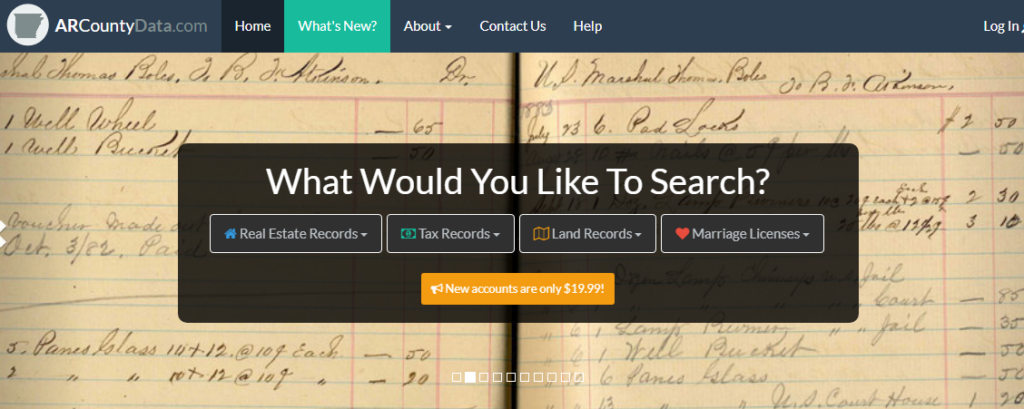
How to Search Arkansas Property Records Online
Arkansas uses a county property search system, not a single statewide database. Each county maintains its own digital record system for land and ownership details. This setup means property data comes directly from local assessor offices, recorder offices, and tax departments. Users often perform an Arkansas parcel lookup when checking ownership, land size, or tax status. These searches help locate real estate details tied to a specific address or parcel ID.
Most county portals provide free search tools that show public property information in seconds. The process usually follows a clear set of steps that stay similar across counties like Pulaski, Benton, and Washington.
Visit the County Assessor Website
The first step starts with selecting the correct county site. Each county in Arkansas runs its own assessor platform that stores property data. For example, a home in Little Rock will be listed under Pulaski County records, while a property in Fayetteville appears under Washington County records.
County assessor sites hold the main Arkansas property records database for that area. These platforms collect information from deeds, tax filings, and recorded land changes.
Common features found on county sites include:
- Property tax records
- Ownership history
- Parcel maps
- Assessed land value
- Legal description of land
The county-based system means searches must match the exact location of the property. A wrong county selection may return no results or unrelated records. Most sites include a search bar on the homepage labeled “Property Search” or “Real Estate Search.” That section connects users to the county’s internal land records system.
Use Property Search Tools
After reaching the county portal, the next step involves using the built-in search tools. These tools pull data from the online land records database maintained by the county.
Three main search methods are available across most Arkansas counties:
Address Search
This option works by typing a full or partial street address. It is useful when the property location is known, but the owner’s name is not.
Example inputs:
- 123 Main Street
- Main St, Little Rock
- Partial address like “Oak Drive.”
Owner Name Search
A property owner search in Arkansas often starts with this method. It helps locate land linked to a person or company name.
Search tips:
- Use last name first
- Try different spellings
- Remove middle initials if no results appear
This method helps when checking ownership history or confirming current property holders.
Parcel ID Search
Every property in Arkansas has a unique parcel number. This number provides the most accurate results.
Parcel ID search is useful for:
- Legal land identification
- Tax record checks
- Title verification work
A sample parcel ID may look like: 12-34567-000
Each search tool connects directly to county property databases, showing real-time public records.
View Property Details
After a successful search, the system displays a detailed property profile. This section contains key data pulled from county records and tax systems.
Ownership Information
This section shows:
- Current property owner name
- Previous owners
- Transfer dates
- Deed reference numbers
Ownership records help confirm legal possession of land and track history over time.
Tax Records
Tax data shows how much property tax is owed or paid each year. It may include:
- Annual tax amount
- Payment status
- Delinquent balances
- Tax district information
These details are updated by the county tax office.
Land Value
Each property listing includes an assessed value based on county evaluation rules.
Common value fields:
- Land value
- Building value
- Total market estimate
- Assessment ratio
This information is used for tax calculations and local reporting.
Download Deed Records
Some Arkansas counties provide digital copies of recorded deeds through their property systems. These documents show legal proof of ownership transfer.
A deed record may include:
- Buyer and seller names
- Sale price
- Recording date
- Legal land description
- Notary and filing details
Not every county offers direct downloads. Some may show only reference numbers, while others provide scanned documents in PDF format.
Types of Property Records in Arkansas
Arkansas property records include official documents that show land ownership, property value, and parcel details. These records confirm ownership history, tax value, and land boundaries across counties. These documents play a key role in real estate research and legal verification. They are used by buyers, sellers, lenders, and county offices for property-related checks.
Property Deeds
Property deeds act as legal proof of ownership transfer for land and real estate in Arkansas. They record who owns the property and how ownership has changed over time. The term Arkansas property deeds covers multiple document types used in property transfers. Each deed carries details such as buyer, seller, and legal description of the land.
Common deed types include:
- Warranty Deed: Offers full ownership protection and confirms a clear title
- Quitclaim Deed: Transfers interest without ownership guarantees
- Special Warranty Deed: Limits the seller’s responsibility to their ownership period
These documents form a major part of the real estate records in the Arkansas systems. They are recorded at county offices and become part of the permanent property file. Legal professionals often review deeds during ownership verification and title checks.
Tax Assessment Records
Tax assessment records show how county offices calculate property taxes for land and buildings. These records include property value details used for taxation purposes. Each property has an assessed value that may differ from its market value. The assessed value is used for tax calculation, while the market value reflects the estimated selling price in open market conditions.
Details in tax assessment records include:
- Annual property tax value
- Land and structure valuation
- Assessment year and revisions
- Tax district classification
These tax assessment records help property owners track yearly changes in valuation. They also support comparisons between different properties in the same area.
Parcel & GIS Records
Parcel and GIS records show land boundaries using digital mapping systems. These records assign a unique parcel number to every property in Arkansas. A parcel lookup system helps identify land details using this number. It connects geographic data with ownership and tax records.
Parcel and GIS data typically include:
- Parcel number identification
- Property boundary maps
- Land size and zoning details
- Street location and layout
Land registry data and GIS mapping tools support accurate land identification across counties. These systems reduce confusion in boundary disputes and property verification.
GIS mapping also allows users to view:
- Adjacent properties
- Road access points
- Land use classification
These records play a key role in property planning and land development analysis.
Ownership History Records
Ownership history records show past and present owners of a property. They track every transfer recorded through official filings and legal documents. These records are a core part of real estate records in Arkansas databases. They provide a timeline of ownership changes and transaction activity.
Ownership history may include:
- Previous property owners
- Sale dates and transfer records
- Legal filing references
- Price history of transactions
This record type helps verify how long a property stayed with each owner. It also supports title research during property sales or legal review.
Arkansas Land Ownership Records
Arkansas land ownership records show who legally owns a parcel of land through recorded documents called deeds. These records confirm property transfer history and act as official proof of ownership. Arkansas property deeds are stored in county offices and reflect every legal property transfer from seller to buyer. Land ownership records that Arkansas users search for are mainly kept at the circuit clerk’s records office in each county.
What Land Deeds Mean in Arkansas
A land deed is a legal document that transfers ownership of real estate from one party to another. It describes the property, names the buyer and seller, and shows the legal right to own the land. Arkansas property deeds come in different forms, such as warranty deeds and quitclaim deeds. Each type shows a different level of protection for the buyer.
Parts found in a deed:
- Grantor name
- Grantee name
- Legal property description
- Transfer date
- Signatures and notarization
Deeds serve as written proof that a legal property transfer has taken place. Without a recorded deed, ownership claims may face disputes or rejection during verification checks at the deed recording office.
Legal Ownership Proof in Land Ownership Records, Arkansas
Land ownership records in Arkansas counties act as the official proof of who owns real estate. These records are stored after a deed is filed with the circuit clerk’s records office. A recorded deed shows that the transfer has been accepted into the public record system. This step supports ownership verification for buyers, lenders, and title companies.
Common uses of recorded ownership proof:
- Mortgage approval checks
- Property sale verification
- Boundary dispute resolution
- Tax assessment confirmation
A table below shows how ownership proof is used in real situations:
| Situation | Record Used | Purpose |
|---|---|---|
| Home purchase | Arkansas property deeds | Confirm seller ownership |
| Loan process | Recorded deed copy | Validate collateral |
| Dispute case | Land ownership records Arkansas | Confirm legal owner |
Arkansas Property Deeds Recording Process
The recording process makes a deed part of official county records. Each county in Arkansas uses a circuit clerk’s records office for this step. Once a property sale closes, the deed is sent to the recording office. Staff review details before entering them into the public land records system.
Typical steps include:
- Preparing the signed deed
- Submitting it to the deed recording office
- Paying the required recording fees
- Reviewed by county staff
- Filing into official land records
After recording, the deed becomes part of the permanent Arkansas property deeds archives. This recorded copy acts as long-term proof of ownership and transfer history.
How to Access Property Records at the County Office
County property records in Arkansas can be obtained through in-person visits to the Circuit Clerk’s office or the Assessor’s office. Staff provides manual land records, ownership files, and public records request forms for verification.
These county offices hold official files tied to land ownership, deeds, and tax details. The process supports review of Arkansas property records and related ownership history without online tools. Most counties also maintain paper archives for older entries that are not fully digitized.
Circuit Clerk Office Records Search
The Circuit Clerk’s office keeps legal land documents for each county. This office maintains deed books, transfer records, and recorded property transactions tied to ownership history. A clerk’s office search usually focuses on legal proof of ownership. These records help confirm transfers between buyers and sellers. Many counties refer to this as county property records in Arkansas at the legal filing level.
Common records available:
- Property deeds and deed transfers
- Mortgage filings and releases
- Easements and liens
- Historical ownership chains
Staff may request basic details before pulling files, such as parcel number, owner name, or property location. Older records may require manual lookup through indexed books or scanned archives.
Assessor Office Visit for Property Details
The Assessor’s office manages property valuation and tax-related records. This office supports review of land size, assessed value, and ownership listing tied to taxation. Visitors often request parcel summaries or tax roll information. These records help verify property characteristics linked to Arkansas property records databases used for taxation purposes.
Typical Assessor office materials include:
- Parcel maps and land sketches
- Tax assessment history
- Ownership listing tied to tax rolls
- Property classification data
In many counties, staff pull records using parcel IDs or physical addresses. Some offices also provide printed property cards for quick review.
Public Records Request Process at County Offices
A formal public records request may be required for older or archived files. This process allows review of manual land records that are not readily available at the front counter.
Steps commonly followed in county offices:
- Submit a written request form
- Provide property details (name, parcel number, or address)
- Wait for record retrieval from archives
- Review copies or certified documents
The Circuit Clerk’s office often handles legal document copies, while the Assessor’s office handles valuation records.
Property Ownership Information You Can Find
Property ownership records in Arkansas show key details about land, buildings, and legal ownership history. These records help confirm who owns a parcel and what the property includes. They support land ownership records, and Arkansas searches for public and legal references. These records present structured data used for property details search, ownership verification, and land usage data review. Users can review ownership timelines, tax figures, and land classification in one place.
Owner Name and Property Description Records
Arkansas property records list the current and past owners’ names tied to each parcel. This helps confirm legal responsibility for land or real estate. The records also show a clear property description with location, parcel ID, and physical features. These details support basic identification during a land ownership check. County systems store this data through assessor and recorder offices.
Common details found in this section include:
- Full legal owner name
- Parcel or property identification number
- Street address or rural location details
- Lot size and boundary notes
- Building or structure description
In many cases, this information supports ownership verification for buyers, attorneys, and researchers. It also helps match records across county databases.
Tax Value, Land Usage, and Ownership History Data
Property records in Arkansas also show financial and usage-related details. These parts help users understand property value and historical changes in ownership.
A typical record may include:
- Tax value based on county assessment
- Annual property tax estimates
- Land usage data, such as residential, agricultural, or commercial classification
- Ownership transfer dates and deed changes
- Previous owners and sale history
| Record Type | What It Shows |
|---|---|
| Tax Value | Assessed the property’s worth |
| Land Usage Data | Current zoning or use type |
| Ownership History | Past and current owners |
| Transfer Records | Sale or inheritance details |
These elements help track how property value and use have changed over time. They also support financial review and legal background checks tied to land ownership records in Arkansas databases.
Arkansas Property Records Online vs Offline
Arkansas property records exist in two main formats: digital systems and courthouse filings. Each format serves different needs for Arkansas property records research and ownership verification. Online systems support faster digital property search, while offline courthouse records hold the official legal filings.
Online Land Records in Arkansas
Online platforms provide quick viewing of property data through county portals and statewide databases. These systems support basic online land records searches using names, parcel numbers, or addresses.
Common features include:
- Parcel summaries and ownership names
- Tax details and assessed values
- Basic sales history
- Map-based property layers in some counties
Digital tools help speed up preliminary research. Data updates vary by county and system type.
Courthouse Records and Official Filings
Courthouse records remain the legal source for Arkansas property ownership verification. County circuit clerks and recorders store deeds, liens, and transfers.
Offline record types:
- Warranty deeds and quitclaim deeds
- Mortgage filings and releases
- Liens and judgments
- Plat maps and subdivision filings
These records carry legal authority. Certified copies come directly from county offices.
Accuracy Differences Between Online and Offline Records
Online property systems often pull data from county databases. Minor delays can appear after new filings. Courthouse records reflect the most current official status.
| Format | Speed | Legal Status | Data Type |
|---|---|---|---|
| Online land records | Fast viewing | Informational use | Summaries and indexes |
| Courthouse records | Slower retrieval | Legal authority | Full recorded documents |
Digital property search tools support convenience. Offline courthouse records support legal proof of ownership.
FAQs About Arkansas Property Records
Arkansas property records help confirm land ownership, tax status, and deed history across counties. Most searches for Arkansas property records rely on county offices and online databases. These records support verification of land ownership records in Arkansas through official sources.
How do I find a property owner in Arkansas?
Property owner details in Arkansas come from county-level systems that store parcel and tax data. Each county provides a search tool for name, address, or parcel number. The county assessor shows tax details, while the circuit clerk holds deed records.
Are Arkansas property records public?
Most Arkansas property records are public under state transparency laws. Anyone can review ownership, sales history, and recorded deeds. Some personal details remain limited, but core ownership data stays available through county offices.
Can I search land records for free?
Many counties in Arkansas provide free online search tools for basic property data. Users can check ownership names, tax details, and parcel information without payment. Certified copies or full documents may require a small fee.
Who maintains property deeds in Arkansas?
Property deeds in Arkansas are maintained by the circuit clerk in each county. This office records land transfers, ownership changes, and legal filings. The assessor works alongside by handling property valuation and tax records.
How accurate are Arkansas property records?
Arkansas property records are generally accurate since they come directly from county assessor and circuit clerk filings. Updates occur when deeds are recorded or ownership changes happen. Still, small delays may appear between a real transaction and online updates. For the most current status, checking the county office records gives the most reliable data.