
Arkansas County public records are official files created by county offices that document legal, property, and civil actions. These records include court filings, land ownership details, marriage records, and other government-maintained documents. A county record search in Arkansas helps users review these files through the county courthouse system and local government database for verified information.
County public records support transparency in local government and allow public review under the Arkansas Freedom of Information Act (FOIA). These records are stored across multiple departments such as courts, clerks, and assessors, covering civil cases, criminal cases, and property transactions. FOIA rules allow public viewing of non-confidential records held by county offices, which helps maintain open government record systems across Arkansas counties.
Arkansas County Public Records Search
Arkansas county public records are official documents created and stored by county government offices in Arkansas. These records cover legal actions, property details, and key life events recorded at the county level. They serve as verified information held by local agencies for reference, legal use, and historical recordkeeping.
What County Records Include in Arkansas
Arkansas county public records come from several local agencies that record daily legal, property, and civil activities. Most files are stored through the public records office, county clerk records, and court systems at the county level. These records support transparency in local administration and legal processes.
A large share of data comes from the circuit court records, which track civil and criminal cases filed within the county. Property-related filings are maintained by county offices that record land transfers, deeds, and ownership changes. Inmate-related details are also maintained through county detention systems for public reference.
Record categories include:
- Court records – civil cases, criminal cases, judgments, and filings
- Property records – deeds, mortgages, liens, and ownership history
- Inmate records – custody status, booking details, release data
- Vital records – birth, death, marriage, and divorce filings
These records help show legal status, property history, and official life events. County agencies keep them organized for fast retrieval through formal request systems or digital record indexes where available.
Types of Arkansas County Public Records Maintained
County-level record systems in Arkansas separate information into clear categories based on purpose and use. Each category supports different legal and administrative functions handled by local offices.
- Court records:
Court records form one of the most used categories. These include civil disputes, criminal charges, traffic cases, and hearing schedules. Circuit courts maintain these files, along with judgments and case updates recorded during proceedings. - Property records:
Property records track land ownership and financial claims. They include deeds, tax liens, and mortgage filings recorded through the county clerk’s records system. These documents help confirm ownership history and property transfers. - Inmate records:
Inmate records come from county detention centers and sheriff departments. They list booking dates, charges, custody status, and release details. - Vital records:
Vital records cover major life events such as births, deaths, marriages, and divorces. These records are filed and stored through authorized county offices for official verification needs.
How to Search Arkansas County Public Records
Arkansas county public records search allows users to find court cases, property data, and official filings through county-level systems. The Arkansas county record search process works through official clerk offices, courthouse systems, and verified online records portals. Most Arkansas counties now provide digital tools through an online records portal, while older files remain available through courthouse systems and clerk offices.
Identify the Correct County for Record Search
Public records in Arkansas stay organized at the county level. Each county maintains its own court, land, and filing systems. Start by confirming the exact county linked to the record. This step prevents errors in the Arkansas county public records search process.
Key details to confirm:
- County where the case or property is located
- Court jurisdiction is listed on documents
- Property address or parcel location
- The Filing county is shown in the legal paperwork
Once the correct county is identified, users can proceed to official search tools like the county assessor system or court database.
Visit Official Online Records Portals
Most counties provide an online records portal for public searches. These portals include court filings, property details, and assessment data. One widely used system is ARCountyData, which provides property and tax-related records across multiple Arkansas counties.
Example portal:
- ARCountyData public search system: https://www.arcountydata.com/
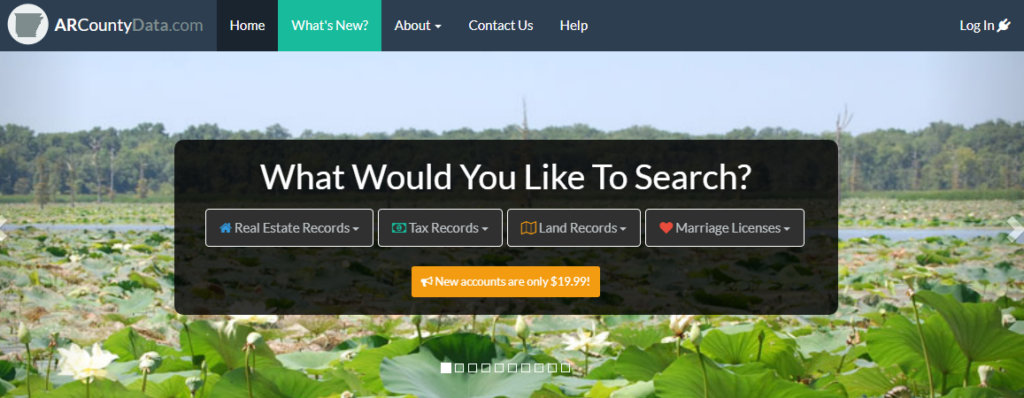
This type of system supports:
- Property ownership history
- Tax assessment details
- Parcel and address search
- Sales history records
Another common platform is the county assessor or circuit clerk website, which may also host a case lookup tool or public database access page.
Use Online Database Search Tools
After entering the portal, users can use built-in search filters. These tools are designed for fast record retrieval from county databases.
Most Arkansas county public records search tools allow filtering by:
- Name of person or business
- Case number or docket ID
- Property ID or parcel number
- Address or legal description
Search results may include:
- Court filings and case status
- Property ownership history
- Tax and valuation records
- Hearing or docket updates
These systems act as a digital courthouse search system, reducing the need for manual record requests.
Search by Name, Case Number, or Property ID
Different search methods produce different results. Choosing the right method improves accuracy in Arkansas county record search systems.
| Search Type | Best Use Case | Common Results |
|---|---|---|
| Name search | Civil or criminal cases | Party names, court activity |
| Case number search | Court tracking | Full case file details |
| Property ID search | Real estate records | Deeds, ownership history |
Name searches often show broader results. Case numbers give precise case tracking. Property IDs are most useful for land and ownership verification.
Check Court Records Through PACER
Some cases fall under federal jurisdiction and are not listed in county systems. These require a separate database.
The PACER case lookup tool provides federal court records:
- PACER federal court search:
- https://pacer.uscourts.gov/file-case/court-cmecf-lookup/court/AREBK
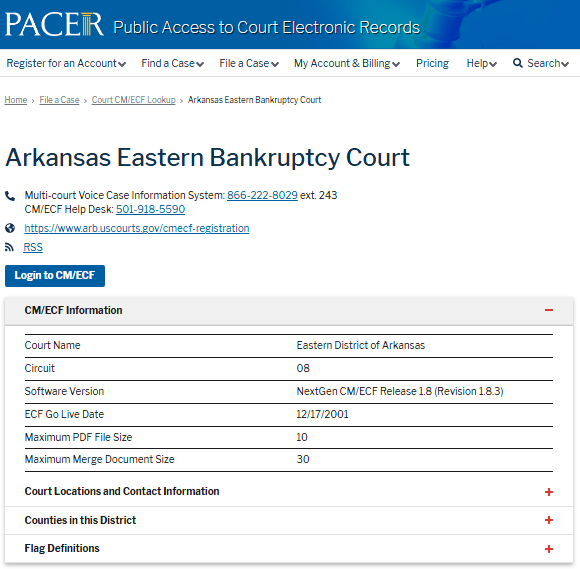
PACER includes:
- Federal civil cases
- Bankruptcy filings
- Appellate court records
- Federal docket information
This tool works alongside county systems when cases move into federal courts.
Use Vital Records for Certificates: Birth, Death, Marriage
Vital records are not part of court or property systems. They are handled through state health departments.
Arkansas vital records can be searched using official certificate systems:
- Vital Records portal:
- https://vitalrecords.egov.com/CDC.VitalRecordsMVC.Web/Wizard/AR/SelectCertificate/SelectCertificate
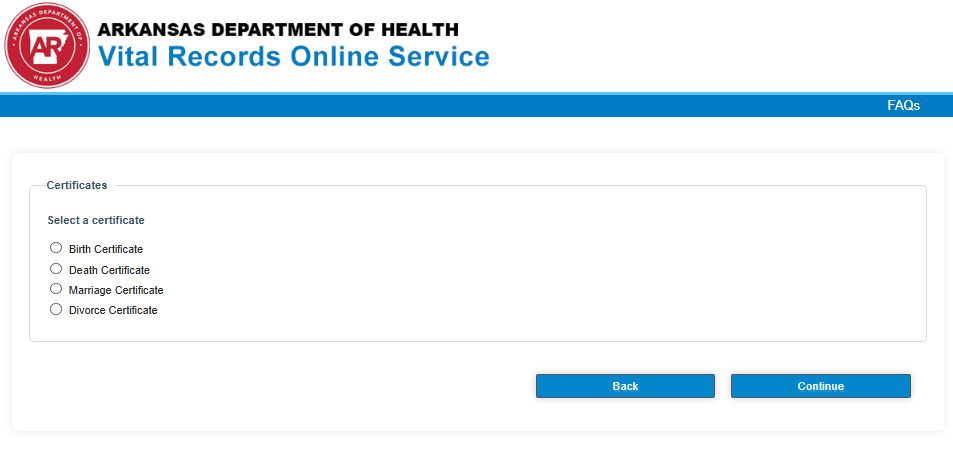
This system allows requests for:
- Birth certificates
- Death certificates
- Marriage certificates
- Certified record copies
These records are commonly used for legal verification and identity purposes.
Visit the Courthouse for a Full Record Review
Some records are not fully available online. Older files, sealed documents, or certified copies may require courthouse visits.
At the courthouse, users can request:
- Archived civil and criminal files
- Certified copies of judgments
- Historic property deeds
- Probate and estate records
Clerk offices also provide public terminals for on-site record search when digital systems are limited.
Arkansas County Record Types
Arkansas county public records search systems include several major record categories:
- Civil cases: lawsuits and disputes
- Criminal cases: charges and court outcomes
- Property records: deeds and ownership transfers
- Court dockets: hearing schedules and case progress
- Vital records: certificates and life events
Each record type may appear in a different system depending on jurisdiction and record age.
Arkansas FOIA & Public Access Law
Arkansas FOIA public records rules allow residents to request many government documents held by state and county offices. These county records access law provisions support government https://www.foia.gov/how-to.html transparency and set clear limits on what can be shared. The law gives strong public rights while also setting specific protections for sensitive information. It defines how records are requested, what can be released, and what stays private under legal exemptions.
Arkansas FOIA Principles and Government Transparency
The Arkansas Freedom of Information Act (FOIA) focuses on open government practices. It supports government transparency by allowing the public to review records created with public funds. Arkansas FOIA public records laws apply to most agencies, including county offices, courts, and law enforcement departments.
These records often include:
- Court filings and docket entries
- Property and tax records
- Meeting minutes from public boards
- Budget and spending reports
Requests usually require a written form or online submission. Agencies respond within a set time frame, often within three working days. Response time can vary based on record type and volume.
Right to Public Records and Legal Exemptions
Public rights under FOIA support strong public access law principles. Residents may request records without stating a reason. This supports accountability in local government operations. At the same time, some records remain protected under exemptions. These limits help protect privacy, safety, and sensitive operations.
Common exemptions include:
- Ongoing criminal investigation files
- Juvenile case records
- Personal medical information
- Certain employee personnel files
- Security-related government documents
These exemptions balance transparency with legal protection needs. Courts often interpret FOIA rules to maintain this balance.
County Clerk Role in Record Management
County clerks in Arkansas manage official public documents for each county. They act as the main record custodian for court, property, and vital files used in an Arkansas county record search. They also maintain the courthouse records system, which stores filings from courts and other local offices. These records sit inside a local government database that supports public reference and legal use.
What County Clerks Do in Arkansas
County clerks serve as the central office for county clerk records in Arkansas. They handle document intake, recording, and long-term storage. Their office keeps records accurate, organized, and linked to county activities.
Their work includes several core duties:
- Recording court filings from civil and criminal matters
- Logging land ownership changes and property transfers
- Storing birth, death, and marriage documents
- Maintaining election and administrative files
- Issuing certified copies of public records
Each document goes through verification before entry. Then it enters the official filing system. This process creates a traceable record history for county residents and agencies.
Record Filing Process and Storage Systems
The filing process follows a structured path from submission to storage. Documents move through review, indexing, and archiving. Each step adds the record to the official county system.
Filing Flow in County Offices
| Step | Action | Record Type |
|---|---|---|
| 1 | Submission received | Court or property document |
| 2 | Verification | Identity and document check |
| 3 | Indexing | Entry into search system |
| 4 | Storage | Digital or physical archive |
Once stored, records become part of the courthouse records system. Staff tag each file for fast retrieval during future searches.
Court, Property, and Vital Records Management
County clerks manage three major record groups. Each group supports different legal and administrative needs.
- Court records include civil cases, criminal filings, and hearing schedules. These files support case tracking and legal reference.
- Property records show land ownership history, deeds, liens, and transfers. They play a key role in real estate and taxation records.
- Vital records include birth, death, marriage, and divorce documents. These files remain part of the county’s official life event registry.
All three categories stay within the same local government database structure. This setup allows consistent filing across departments and improves record tracking within the county system.
Types of County Public Records
Arkansas public records search helps locate official information stored at the county level across courts, property offices, jails, and vital registration systems. County records in Arkansas databases organize this information into four major categories that support legal, ownership, identity, and law enforcement needs.
Court Records: Civil, Criminal, Probate, Circuit Court Records
Court records in Arkansas come from circuit court records and local judicial offices that handle civil, criminal, and probate matters. Civil cases usually involve disputes like contracts, debts, or property issues, while criminal cases include arrests, charges, hearings, and final rulings. Probate records focus on wills, estates, and guardianship cases after a death. These records also contain case numbers, party names, hearing dates, motions, and judgments, which help track legal progress and outcomes within the county records of the Arkansas system.
Property Records: Deeds, Ownership, Property Registry System
Property records in Arkansas focus on land ownership, transfers, and legal property descriptions. These records are stored in the county property registry system, which maintains ownership history and transaction details.
Common property records include:
- Deeds showing ownership transfer
- Mortgage documents tied to land or homes
- Property tax records
- Easements and boundary agreements
Deeds provide legal proof of ownership and show how property has changed hands over time. Title history often helps confirm current and past owners. The property registry system also lists parcel numbers, legal descriptions, and recorded liens. This information supports verification of land boundaries and financial obligations tied to real estate.
Inmate Records: County Jail Records, Booking Information
Inmate records reflect individuals held in county detention centers. These records are commonly part of county jail records and are updated based on bookings, releases, and transfers.
Typical inmate record details include:
- Full name and booking photo
- Arrest date and charges
- Bond or bail amount
- Housing location within the jail
Booking information also lists intake time, arresting agency, and court dates. This helps track custody status and movement within the jail system. County jail records may also show prior arrests or hold reasons related to court orders. These records are maintained by sheriff’s departments or detention centers at the county level.
Vital Records: Birth, Death, Marriage Records
Vital records include birth, death, and marriage documents recorded by county and state agencies. Birth records show date of birth, place, and parental information, while death records include date, location, and sometimes cause of death. Marriage records confirm legal unions along with license and officiant details. These records support identity verification, inheritance claims, and family documentation needs. County records: Arkansas offices manage these files in coordination with state departments, and access may vary depending on record type and legal restrictions.
Arkansas County Public Records Search
Arkansas County public records search operates through online systems and courthouse channels. People review court, property, and vital files through official portals or in-person office records.
Online Portals and Digital Records System
Online portals support Arkansas County public records search through structured state websites and county databases. The digital records system organizes civil, criminal, property, and vital files for quick lookup. Many entries come from a clerk database search that sorts filings by name, case number, or filing date.
These platforms reduce manual effort and support fast record checking for common needs:
- Property ownership details
- Court case filings
- Marriage records
- Probate files
- Tax-related documents
Search filters help narrow results inside indexed databases. Some systems also show scanned images of original filings for reference. Third-party databases collect similar data from public sources and present it in a combined format for broader record review.
Physical Courthouse Visits and Courthouse Records Office
Some records remain stored at the courthouse records office. Staff retrieves documents through internal terminals connected to the clerk database search system. This method helps with older files or certified copies that are not fully listed online.
In-person requests often support formal needs that require stamped or verified documents.
| Method | Location | Common Use |
|---|---|---|
| Online portal | State or county website | Fast review of indexed records |
| Courthouse visit | Clerk records office | Certified copies, older files |
| Third-party databases | Private record platforms | Combined public record data |
Third-party databases may provide quicker viewing across multiple counties. Still, courthouse systems remain the primary source for official verification. Online and offline methods work together to support complete record retrieval across Arkansas County systems.
County-by-County Record Differences
Arkansas county record search results change from one county to another. Each county courthouse system controls its own record storage and retrieval method. Because of this structure, an Arkansas county record search may produce different formats, speeds, and detail levels across counties.
County Record System Differences in Arkansas
Each Arkansas county runs its own county courthouse system for civil, criminal, probate, and property files. No shared statewide structure exists for all records, so each county builds its own filing method through a local government database or physical archive. Some counties sort files by names, while others organize them by case number or filing date. Record updates also vary, since some offices update files in real time and others update on fixed schedules. These differences affect how quickly and in what format public records are retrieved across the state.
Digital Databases in Larger Counties
Larger Arkansas counties often use structured digital systems for public record search functions. These counties maintain online databases that list civil cases, criminal cases, and court filings with search filters for names, dates, and case numbers. Many also provide docket tracking tools that show case progress and hearing details. These systems reduce manual work at courthouse offices and improve consistency in record listings. Even so, each county sets its own rules for data formatting, so record layouts can still differ between jurisdictions.
Rural Courthouse and Manual Record Methods
Smaller rural counties depend more on traditional courthouse record systems. Many files remain in paper format and are stored in courthouse archives rather than digital databases. Staff members handle requests by retrieving physical case files or checking handwritten logs. Some counties maintain limited online listings, though coverage is often incomplete. An Arkansas county record search in these areas often relies on direct contact with clerk offices for civil or criminal case details. This approach leads to slower updates but still maintains official documentation standards within each local courthouse system.
FAQs About Arkansas County Public Records Search
Arkansas county public records FAQ explains how residents find court files, jail data, and other county documents. It also shows how different county offices handle record requests and updates. These answers help users understand basic search steps and record availability.
How do I search county records in Arkansas?
County records in Arkansas are usually searched through the county clerk’s office search system or courthouse databases. Most users begin with a name search or case number search. These tools help locate civil, criminal, or probate files quickly. Many counties also provide docket search options for case tracking. Some records are available online, while others require in-person requests at the courthouse record lookup desk. Staff may help locate case numbers or filing details. Each county may use a slightly different public records access process.
Are Arkansas county records public?
Most Arkansas county records are public under state transparency rules. Court filings, property records, and basic case details can be reviewed by the public. This supports open review of county and court activity. Some records are restricted. Juvenile cases, sealed documents, and active investigations may not be fully open. Sensitive personal data can also be removed from public copies.
Can court records be reviewed by the county?
Yes, court records can be reviewed at the county level through local courts. Circuit and district courts maintain civil and criminal case files. These records include filings, judgments, and hearing details. Many counties provide both online and in-person courthouse record lookup options. Users can check docket updates, case status, and scheduled hearings through these systems.
Where do inmate records appear?
Inmate records are usually maintained by county jails or sheriff’s offices. These records often appear in online jail rosters or booking logs. They help track custody status and recent arrests. Common details include booking date, charges, bond amount, and court dates. These records are often updated as inmates move through the legal system.
Is FOIA applicable in Arkansas counties?
Yes, the Arkansas Freedom of Information Act applies at the county level. It allows public review of many government-held records. County offices must respond to valid FOIA requests within legal limits. Some records are fully open, while others are partially restricted. Examples include court filings, jail logs, and county budgets. Active investigation files or sensitive data may remain protected.