
Arkansas traffic court records are official legal documents that track every traffic violation and court decision involving drivers in the state. These records include details of traffic citations, court tickets, and driving offenses, offering a clear history of a driver’s interactions with law enforcement and judicial authorities. They are essential for monitoring driving behavior, determining liability, and verifying compliance with Arkansas traffic laws.
These records are maintained by municipal, district, and circuit courts across Arkansas, combining both electronic databases and physical filings to ensure accuracy and accessibility. Each entry typically lists the type of violation, citation details, dates, fines, and court outcomes, providing comprehensive insight for legal, insurance, and personal purposes. Proper management of these records supports transparency in traffic enforcement and allows insurers, attorneys, and state agencies to assess risk and legal standing efficiently.
What are the Traffic Court Records in Arkansas?
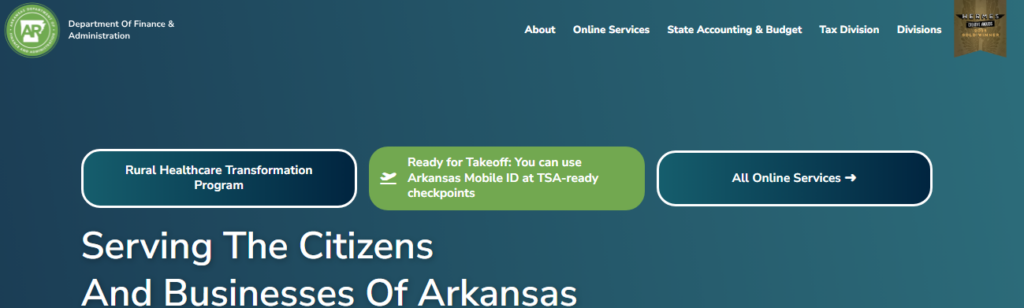
Arkansas traffic court records are official documents https://www.dfa.arkansas.gov/ detailing traffic violations and related legal actions. They provide key information about citations, drivers, vehicles, and court outcomes. These records are maintained to track traffic violations, enforce state laws, and inform insurance and legal processes. Anyone seeking insight into a driver’s legal history or vehicle incidents will find these records essential for verification and compliance purposes.
Types of Information in Traffic Court Records
Traffic court records contain multiple layers of information, organized to reflect the full scope of each case. Core details include:
- Citation Details: Each record lists the citation number, case number, date and time, and location of the traffic incident. This helps link the violation to official court proceedings.
- Driver Information: Records typically include the driver’s name, license number, and state of issuance, providing a clear identity for legal reference.
- Vehicle Information: Key data about the vehicle make, model, and license plate is documented. This ensures the right vehicle is associated with the incident.
- Court Proceedings: This section records initial charges, pleas, court dates, judgments, fines, and points assessed against the driver.
- Supporting Documentation: Many records include the officer’s report, crash report, and proof of driver improvement programs attended, offering a full legal context for the violation.
Organizing this information allows courts, insurance companies, and the Arkansas Department of Finance and Administration to track compliance and legal obligations effectively.
Basis and Jurisdiction
Traffic records in Arkansas operate under a clear legal framework. The Arkansas Department of Finance and Administration (DFA) oversees record maintenance, ensuring accuracy for administrative and legal purposes. Traffic court records are also subject to the Freedom of Information Act (FOIA), meaning they can be requested as public records with proper procedures.
These records have practical consequences:
- Insurance Implications: Insurance providers use traffic violation records to assess risk and determine premiums.
- Fines and Points: Records track fines paid and points added to driving licenses, impacting license status.
- Criminal Liability: Severe violations, such as DUI or reckless driving, are documented in these records, influencing potential criminal proceedings.
By maintaining comprehensive traffic violation records, Arkansas ensures transparency, legal accountability, and informed decision-making for all stakeholders.
How to Access Traffic Court Records in Arkansas
Accessing Arkansas traffic court records is possible through online databases, in-person requests, or official state systems. Each method requires specific information, like a citation number or driver name, and follows set procedures for record retrieval.
Online Search Method
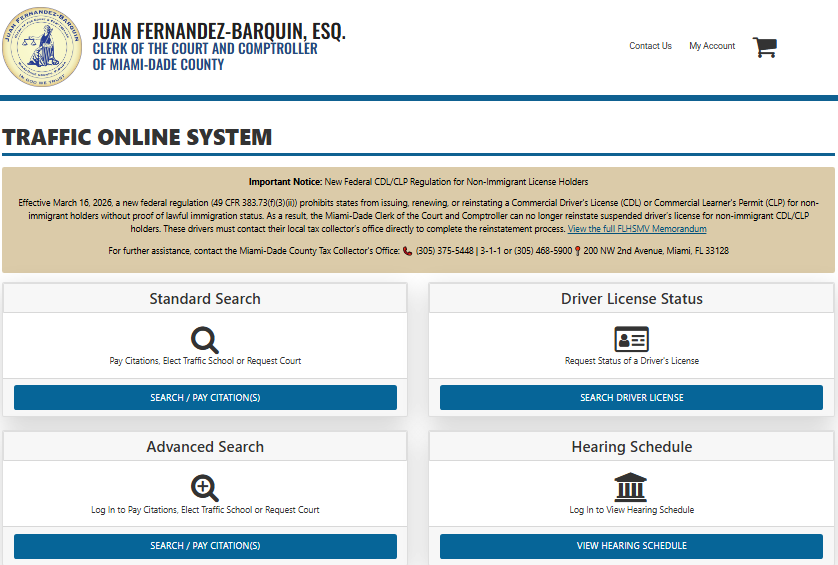
Most Arkansas counties provide an online portal https://www2.miamidadeclerk.gov/trafficapp/?AspxAutoDetectCookieSupport=1 for traffic citation search and court records lookup. Each county maintains its own database, making it easy to check records from home or the office.
What you need:
- Citation number
- Driver name
- Case number
Steps: instructions:
- Visit the county’s court clerk website. You can find links through the official county government page.
- Locate the “Traffic Court Records” or “Case Search” section.
- Enter the citation number, driver name, or case number in the search fields.
- Review the results, which usually show the offense, court dates, and case status.
- Some counties allow you to download or print official records directly from the portal.
Using online search tools is the fastest method for retrieving records, especially for routine checks or verification before court dates. Frequent users should bookmark the relevant county site for quicker access.
The Court Clerk’s Office
Records can also be obtained by visiting the court clerk’s office in person. This method is ideal if online access is limited or documents need official certification.
Process:
- Go to the office during business hours, typically Monday–Friday, 8 a.m.–4:30 p.m.
- Bring valid ID and any relevant information, such as citation numbers or driver details.
- Submit a request form at the front desk or directly to the clerk.
Avoid delays:
- Call ahead to confirm record availability.
- Note the office address and specific department handling traffic records.
- Prepare copies or electronic versions of forms in advance.
This approach ensures that official court staff handle your request and allows for certified copies when required for legal or administrative purposes.
Request via the Department of Finance and Administration
The Arkansas Online Driver Record Request System provides another channel for retrieving traffic court records, especially for driver history verification.
Required info and forms:
- Driver’s full name and date of birth
- Driver’s license number
- Completed Request for Driver Record Form
Processing time:
- Most online submissions are processed within 3–5 business days.
- Expedited options may be available for an additional fee.
This system is particularly useful for employers, insurance companies, or individuals needing official driver records tied to traffic citations.
Phone or Mail Requests
Traffic court records can also be requested by phone or mail, providing a flexible alternative to online and in-person options.
Official contact numbers:
- Each county clerk’s office provides a direct line for record inquiries.
- For state-level requests, the Department of Finance and Administration handles phone submissions.
Mail requests:
- Include driver information, citation numbers, and contact details.
- Attach payment if required, following the fee structure listed on the clerk’s or state website.
- Include sample request forms provided online for faster processing.
This method is useful when records are needed from multiple counties or when travel is inconvenient. Requests are typically processed within 7–10 business days, depending on the office and type of record requested.
Information Typically Found in Arkansas Traffic Court Records
Arkansas traffic court records provide a detailed summary of a driver’s traffic-related cases. These records document everything from citations and violations to court decisions and penalties. Traffic court records in Arkansas are comprehensive, containing key details that law enforcement, insurance companies, and drivers often reference. They help verify violations, fines, and the legal outcome of driving offenses. Below is a breakdown of the main elements included in these records.
Citation Number & Case Number
Each traffic case in Arkansas is identified by a citation number and a case number. The citation number is issued by the law enforcement officer at the time of the violation, while the case number is assigned when the case enters the court system.
- Citation Number: Unique identifier linked to the traffic ticket.
- Case Number: Used for court tracking, filings, and official records.
- These numbers are essential for checking court dates, payment of fines, or appealing a traffic ticket.
Tracking both numbers ensures accurate identification of the violation in Arkansas traffic court records.
Date, Time, and Location of Violation
Traffic court records specify exactly when and where the offense occurred. This includes:
- Date and Time: Provides a chronological record of the violation.
- Violation Location: Details such as street, highway, or intersection.
- Accurate location information helps courts and insurance companies verify the circumstances of the driving offense.
- Some records may also note nearby landmarks or city zones for further clarity.
Including this information allows authorities to match the violation with officer reports and any available traffic camera data.
Driver Information
Records include detailed driver information to identify the person responsible for the citation. Typical details include:
- Full legal name and address
- Driver’s license number
- Date of birth
- Contact information (in some cases)
This data ensures that all correspondence, fines, and court notices are delivered to the correct individual. It also helps law enforcement track repeat offenders or verify the eligibility of a driver to operate a vehicle.
Vehicle Information
Alongside driver details, Arkansas traffic court records list vehicle information linked to the citation.
Elements include:
- Vehicle make, model, and year
- License plate number
- Vehicle identification number (VIN)
- Registration status at the time of the offense
Recording this information helps identify whether the vehicle was legally registered and if it matches the driver’s records. It also supports investigations in case of accidents or disputes.
Paying and Contesting Traffic Tickets in Arkansas
Paying a traffic ticket in Arkansas is straightforward, with multiple options including online, in-person, or by mail. Drivers who disagree with a ticket can also contest it in traffic court to seek a favorable outcome. Resolving a traffic ticket quickly helps avoid additional fines, license points, and potential legal consequences. Arkansas provides clear methods for payment and options for contesting violations depending on the offense.
Online Payment Methods
Arkansas residents can pay traffic tickets online using the official court payment portals. Online payments are often the fastest option and allow drivers to settle fines from home.
Points include:
- Accepted payment types: credit cards, debit cards, and electronic checks.
- Access the payment portal through the county court’s official website.
- Payment confirmation is usually sent via email for record-keeping.
- Many portals display the fine amount, due date, and license points associated with the violation.
Online payment ensures the ticket is processed immediately and helps avoid additional penalties from late payment. Always verify that the portal is an official government site to prevent scams.
In-person Payment at the Court Clerk
Drivers may also pay fines directly at the court clerk’s office. This method is suitable for those who prefer personal service or need assistance with their ticket. Important details include:
- Payment can be made via cash, check, or card.
- The clerk can confirm the exact traffic court fines and answer questions about your case.
- Receipts are provided instantly for proof of payment.
Visiting the clerk’s office allows drivers to ask about plea options or schedule a court hearing if contesting the ticket.
By Mail Payment Process
Arkansas courts accept ticket payments by mail, which is convenient for those unable to pay online or in person. Steps include:
- Write a check or money order for the fine amount.
- Include the ticket number and personal details on the payment.
- Mail to the address listed on the ticket or court notice.
- Keep a copy of the payment for records.
Allow sufficient mailing time to avoid late fees. Confirm that the court receives your payment if the ticket deadline is approaching.
Contests & Plea Options
Drivers wishing to fight a traffic ticket in Arkansas have several legal options:
- Plead guilty with an explanation: Sometimes reduces the fine amount or license points.
- Plead not guilty: Request a court hearing to contest the ticket.
- Traffic school or defensive driving: May be available to reduce penalties.
Court hearings are scheduled at the county level, and defendants may present evidence, witness statements, or legal arguments. Legal representation is optional but can help with complex cases.
Consequences of Non-Payment
Failing to pay traffic tickets in Arkansas can lead to serious outcomes, including:
- Increased fines and late fees.
- License suspension until the ticket is resolved.
- Possible warrant issuance for arrest in severe cases.
- Accumulation of points on the driving record affects insurance rates.
Timely payment or contesting tickets ensures drivers avoid these consequences. Even partial payment or contacting the court can help manage fines and maintain a clean driving record.
County-Specific Traffic Court Record Access
Arkansas traffic court records are maintained by each county and can be accessed through official court clerk websites or offices. Local searches for traffic violation records in a specific county are most accurate when conducted directly via the county’s online portals or in person.
Pulaski County Traffic Records
Pulaski County residents can search traffic violation records, including moving citations and court dates, through the Pulaski County Circuit Clerk website or office, which provides tools for online citation lookup, printable court documents, and contact information for court staff.
Benton County Traffic Records
Benton County maintains traffic violation records accessible via the Benton County District Court Clerk, allowing searches by driver name, license number, or citation number, and offering downloadable forms and instructions for paying fines or contesting citations.
Saline County Traffic Records
Traffic records in Saline County, managed by the Circuit Court Clerk, cover speeding and traffic citations, court hearings, and fines, and residents can perform online local citation searches or request documents in person for accurate and current information.
Yell County Traffic Records
Yell County keeps traffic records through the Yell County Clerk of Court, including tickets issued, court hearings, and fine payment history, with online tools and downloadable forms to help residents and attorneys manage citations efficiently.
FAQs About Arkansas Traffic Court Records
Many drivers have questions about Arkansas traffic court records, including how citations work and how long records remain available. The answers below explain common topics related to traffic citations, traffic ticket info, and public court record retrieval in Arkansas.
What Does a Traffic Citation Mean?
A traffic citation is an official notice issued when a driver breaks a traffic law. It shows the type of offense, location, and date, along with instructions for paying a fine or appearing in court. Common reasons include speeding, running a red light, or failing to yield. A citation becomes part of a driver’s public traffic record. Knowing the meaning of the citation helps drivers decide how to respond and manage potential consequences.
How Long Does a Traffic Ticket Stay on Record?
Traffic tickets in Arkansas remain on record for several years, depending on the violation. Minor tickets may stay for 3–5 years, while serious offenses like DUI or reckless driving can last longer. These records are part of a driver’s court record retrieval history and affect license points and insurance rates. Prompt payment or court compliance can prevent additional penalties. Checking traffic ticket info ensures drivers maintain accurate records and avoid surprises.
Are Traffic Court Records Public in Arkansas?
Most Arkansas traffic court records are public records, which means anyone can request information about citations and court outcomes. Records typically include the offense type, ticket date, fines, and points added to a license. Some sensitive cases, such as juvenile offenses, may be restricted. Accessing these records helps individuals verify traffic ticket info and ensures their public traffic record is accurate.
How Can I Pay or Contest a Traffic Ticket?
Drivers can pay traffic fines online, by mail, or in person at the court listed on the citation. Contesting a ticket involves filing a notice to appear and attending a court hearing. Preparing evidence or witness statements may help contest the citation successfully. Handling tickets promptly prevents extra fees, points, or license suspension. Many courts also allow traffic school options to reduce points on a driver’s record.
What Info is Needed to Search Traffic Records Online?
To search Arkansas traffic court records online, users generally need the driver’s full name, date of birth, and sometimes the citation number. Some county portals may also ask for the county where the ticket was issued. Providing accurate details ensures the correct retrieval of the court record. Online searches allow viewing citation history, fines, and court dates, helping drivers manage their traffic ticket info efficiently.